
A foundation crack may seem like a small surface flaw, but it can reveal what is happening beneath a home. Its direction, width, location, and timing may point to movement in the soil or structure. Some cracks remain stable for years, while others slowly change as conditions around the foundation shift.
Foundation Crack Repair becomes especially important when a crack continues to widen, returns after being patched, or appears alongside other structural changes. Looking at the crack together with nearby floors, walls, doors, windows, and drainage conditions can clarify what may be happening.
Reading these signs can make it easier to know when foundation crack repair in Broken Arrow may be worth considering. Rather than treating every crack the same, look for patterns, ongoing changes, and other clues that may point to continued structural movement.
Crack Direction Can Offer Useful Clues
The direction of a crack may reveal how pressure is affecting the foundation. Different crack patterns develop for different reasons, so the damage deserves attention.
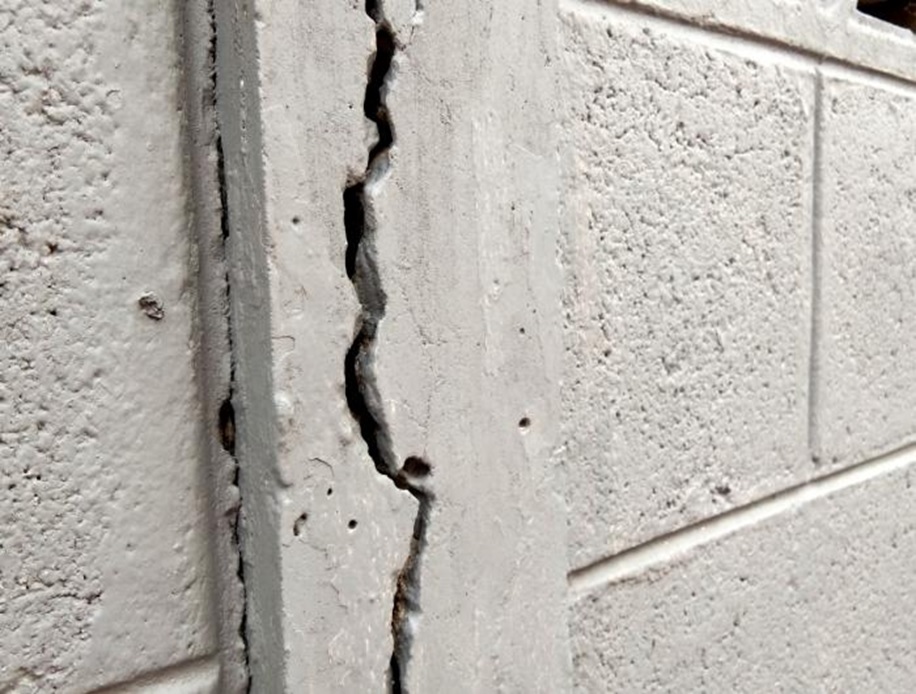
Vertical cracks may form as concrete shrinks during curing or as a structure settles slightly. These cracks are often narrow, but they should still be monitored for changes.
Horizontal cracks may point to pressure pushing against a foundation wall. Soil that becomes saturated or expands can exert pressure against the wall and cause visible stress.
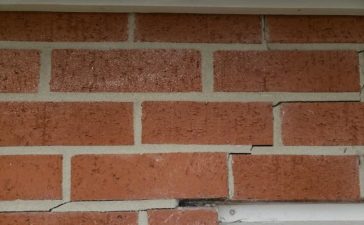
Stair-step cracks through brick or block may suggest uneven movement, while diagonal cracks near doors or windows may appear when one part of the structure shifts more than another.
Foundation Crack Repair should consider the crack pattern and surrounding conditions rather than simply covering the visible opening.
Changes Over Time Matter
A crack that stays the same size for many years may tell a different story from one that keeps widening or spreading.
Monitoring is a simple way to learn more. Take dated photos, note the width, and check whether the crack becomes longer. Look for new cracks nearby and compare the area after heavy rain or long dry periods.
A crack that reopens after being patched may also suggest that movement is continuing. The visible damage may have been covered, but the pressure or settlement that caused it may still be active.
Keeping simple records gives you useful information if a professional evaluation becomes necessary later.
Soil Conditions Can Affect Structural Movement
Foundations depend on the soil beneath and around them for support. When that soil changes, the structure may respond.
Heavy rain can saturate the ground, while extended dry weather may cause certain soils to shrink. Repeated expansion and contraction can create uneven pressure around the foundation. Erosion, plumbing leaks, poor drainage, and changes to nearby landscaping may also affect soil conditions.
Foundation Crack Repair may be more effective when these contributing factors are identified along with the crack itself.
Walk around the exterior after storms. Look for standing water, low areas, overflowing gutters, or downspouts that discharge water near the foundation. These conditions may not explain every crack, but they can provide useful context about moisture and soil movement.
Look Beyond the Crack
A single crack does not always provide enough information to understand what is happening below the home.
Other signs may appear in different parts of the structure. Floors may begin to slope, doors may stick, windows may become difficult to open, or gaps may appear where walls meet ceilings.
You may also notice cracks above doorways or windows, trim pulling away from walls, or sections of a basement wall beginning to bow inward.
One symptom by itself may have a simple explanation. Several symptoms appearing in the same area or during the same period can provide stronger evidence that movement is affecting more than one part of the structure.
Moisture Can Add Another Clue
Cracks may also create a path for water.
Damp spots, white mineral deposits, peeling paint, musty odors, and small puddles after rain may show that moisture is reaching a vulnerable area. The crack may remain dry during normal weather and leak only when surrounding soil becomes saturated.
Moisture does not always cause the original crack, but it may reveal how water moves around the foundation.
Foundation Crack Repair may need to be considered alongside drainage or waterproofing if water continues to enter through the same area. Looking at both conditions together can lead to a more complete understanding of the problem.
Repeated Patching May Not Be Enough
Patching a crack can improve appearance, but it does not always correct the reason the crack formed.
If the opening returns after repair, widens, or develops nearby cracks, further evaluation may be worthwhile. The same is true when moisture keeps returning or nearby doors and floors begin to change.
Before repeating a surface repair, ask what caused the crack and whether the structure is still moving. Understanding the source may prevent repeated cosmetic work that does not last.
A Foundation Evaluation Should Look at the Whole Picture
A useful evaluation should consider more than the visible crack.
The crack direction, width, wall condition, floor elevation, exterior drainage, moisture patterns, previous repairs, and structural symptoms may all matter.
Before an inspection, gather information you have. Photos, measurements, dates, and notes about weather conditions can make changes easier to explain.
The purpose of an evaluation is to connect the visible damage to the surrounding conditions. That makes it easier to understand what may be causing the movement and which repair approach may fit the situation.
Conclusion
Foundation cracks can provide valuable clues about structural movement, but their meaning becomes clearer when you look at the complete picture. Direction, width, changes over time, soil conditions, moisture, and other structural symptoms all matter.
Pay attention to patterns instead of assuming every crack is the same. Early observation can make it easier to recognize developing problems and may reduce the chance of movement affecting more areas of the home.
If you are noticing growing cracks or other signs of movement, contact Preferred Foundation Repair Broken Arrow to discuss inspection and repair options for your property.