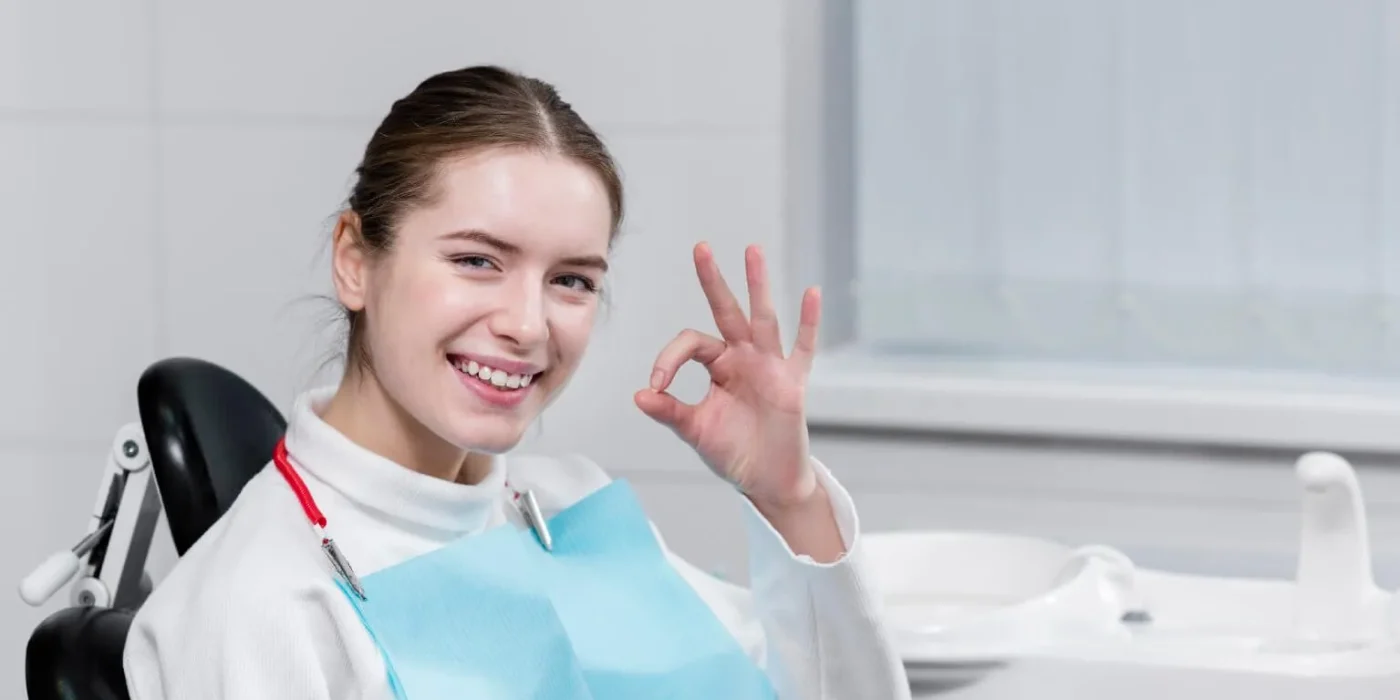

A better smile is not only about appearance. In many cases, it also improves comfort, confidence, speech, and day-to-day oral hygiene.
A cosmetic dentist – patient trust will usually start with function before appearance, because strong, healthy teeth provide the basis for attractive results. As a cosmetic dentist from MaryleboneSmileClinic explains, patients often get the best outcome when they understand how different treatments compare in terms of longevity, maintenance, and tooth preservation, rather than choosing purely by appearance or speed. For readers considering treatment, advice from a cosmetic dentist London practice can be useful when weighing options that range from whitening to veneers and orthodontic refinement.
Why Smile Transformation Is More Personal Than People Expect
Many people think smile transformation means one standard package, but cosmetic dentistry is more precise than that. Two patients may both dislike staining, uneven edges, or minor crowding, yet need completely different solutions. One may benefit from whitening and simple edge bonding, while another needs orthodontics first because the teeth are in the wrong position. This is why good treatment planning matters so much. A smile that looks attractive in isolation may still fail if it does not suit the face, gum line, or bite. The most reliable cosmetic work takes account of proportion, tooth shape, symmetry, and the way upper and lower teeth meet during speech and chewing.
This more tailored approach is especially relevant in London, where many adults seek treatment later in life. They may have old fillings, enamel wear, grinding damage, or past orthodontic relapse that changes what is possible. In these cases, cosmetic dentistry often overlaps with restorative care. A dentist may need to stabilise the mouth first by treating gum inflammation, replacing failing dental work, or protecting worn teeth before improving the look of the smile. That can sound less exciting than a quick makeover, but it usually leads to results that last longer and feel more comfortable. In practice, the best cosmetic outcomes often come from modest, staged treatment rather than one large intervention.
Patients also increasingly want work that is difficult to detect. That has shifted demand away from overly opaque veneers or unnaturally uniform teeth and towards treatments that preserve character while correcting the features that bother the patient most. A tiny rotation, patchy discolouration, chipped front edge, or uneven contour can sometimes have a bigger visual effect than people expect. Modern smile design therefore tends to focus on selective improvement. The goal is not to make every smile look the same. It is to make the teeth look healthier, cleaner, and more balanced in a way that suits the person wearing them.
Option 1 and Option 2: Whitening and Composite Bonding
Professional whitening remains one of the simplest ways to change a smile, but it is often misunderstood. Done properly, it lightens the natural tooth colour rather than covering it. That makes it a useful first step for people with otherwise healthy teeth who want a fresher appearance without drilling or reshaping. It is commonly used for staining linked to tea, coffee, red wine, smoking, or ageing. Results vary according to the starting shade, enamel thickness, and type of staining, but many patients see a noticeable improvement after dentist-supervised treatment. It is not a permanent change, so maintenance may be needed over time, particularly if the original causes of staining continue.
Composite bonding is another conservative option that has become popular because it can correct chips, small gaps, worn edges, mild irregularity, and some shape concerns in a relatively short time. Tooth-coloured resin is applied and sculpted directly onto the enamel, then polished to blend with surrounding teeth. In the right case, this can be highly effective. It is especially useful when the aim is refinement rather than a full redesign. Bonding can also be combined with whitening, since brightening the natural teeth first allows the added material to be matched to the improved shade.
The main advantage of both treatments is that they are relatively gentle on the tooth structure. They suit patients who want visible change without committing to more invasive work. However, they still require judgment. Whitening does not fix crowding, and bonding is not always the best answer for heavily filled, badly worn, or unstable teeth. Resin can also stain or chip over time if it is not maintained well. Even so, when carefully planned, these two options can produce a cleaner, younger-looking smile with less intervention than many people expect.
Option 3 and Option 4: Veneers and Ceramic Crowns
Veneers are often associated with celebrity dentistry, but in modern practice they are used far more selectively. A veneer is a thin facing, usually made from porcelain or ceramic, bonded to the front surface of a tooth. It can improve colour, shape, length, and minor positional issues. Veneers are most effective when several cosmetic concerns affect the same teeth at once and when simpler options would not produce a stable or predictable result. For example, they may be considered where teeth are deeply discoloured, unevenly shaped, worn, or slightly misaligned. When planned well, they can look natural and reflect light in a way that mimics enamel.
The key issue is preparation. Some veneers require minimal alteration to the tooth, while others involve removing more enamel. That is why patient selection matters. Veneers should not be seen as a routine shortcut for every aesthetic complaint, especially in younger adults with otherwise healthy teeth. Once a tooth has been prepared, it is a long-term commitment to maintenance and eventual replacement. They can be excellent, but only when used for the right reasons and designed with restraint.
Ceramic crowns sit slightly differently in the smile transformation picture because they usually combine cosmetic and restorative aims. A crown covers the whole tooth and is more appropriate when the tooth is already heavily restored, cracked, root treated, or structurally weak. In those cases, a crown can improve appearance while also reinforcing the tooth. It is not usually the first choice for a healthy front tooth that simply looks dull or slightly misshapen. However, for damaged teeth that are visible when smiling, a well-made ceramic crown can be transformative. The best cosmetic dentistry in this area does not push every patient towards veneers. It distinguishes clearly between teeth that need enhancement and teeth that need rebuilding.
Option 5 and Option 6: Clear Aligners and Gum Contouring
Straightening the teeth is often the most overlooked route to a better smile. Many adults assume cosmetic treatment must involve covering the front teeth, when in fact moving them into a better position can reduce or remove the need for restorative work. Clear aligners are a common choice for mild to moderate crowding, spacing, or relapse after earlier orthodontics. They use a series of transparent trays to shift teeth gradually and can be appealing to adults who want something less visible than fixed braces. Beyond appearance, alignment can improve cleaning access and reduce uneven wear caused by poor tooth positioning.
What makes aligners valuable in smile design is that they create a stronger foundation for any finishing treatment. Once the teeth are in a better position, a dentist may need only minimal bonding or whitening to complete the result. That is often better for long-term tooth preservation than masking crookedness with more aggressive restorative work. The process does require compliance, retention after treatment, and realistic expectations about timing, but it can produce substantial improvement while keeping the natural tooth surfaces intact.
Gum contouring is a less frequently discussed option, yet it can make a remarkable difference in selected cases. Sometimes the issue is not the teeth themselves but the relationship between teeth and gums. A smile may appear uneven because the gum line is asymmetrical, or the teeth may look short because excess gum tissue covers too much enamel. Careful reshaping of the gums can create better balance and make the teeth appear more proportionate. This is not suitable for everyone and should only be done after proper assessment of gum health and underlying anatomy. In the right patient, however, it can subtly change the whole smile without altering the teeth very much at all.
Option 7: Dental Implants as Part of Cosmetic Planning
Missing teeth change more than appearance. They can affect chewing, speech, bite balance, and confidence, especially when the gap is visible or causes neighbouring teeth to shift. Dental implants are often discussed as a restorative treatment, but they also play an important cosmetic role in smile transformation. An implant replaces the root of a missing tooth and supports a crown designed to match the surrounding teeth. When the position, gum levels, and bone support are favourable, the result can look very natural and help maintain facial support in a way that removable options may not.
Implant treatment requires careful planning because the final appearance depends on more than simply placing a replacement tooth. The gum contour, spacing, bite forces, and the condition of adjacent teeth all influence the cosmetic outcome. In the front of the mouth, the challenge is even greater because tiny differences in angle or gum height can be noticeable. For that reason, implant dentistry used for visible smile areas often involves digital planning, temporary stages, and close coordination between surgical and restorative steps.
It is also important to understand what implants cannot do. They are not a cosmetic shortcut for untreated gum disease, poor oral hygiene, or general instability in the mouth. Successful implant work depends on good maintenance and healthy supporting tissues. Even so, where a missing tooth is affecting appearance and function, implants can be one of the most complete solutions available. In the wider picture of smile transformation, they matter because they restore continuity. Rather than improving the look of existing teeth alone, they rebuild what has been lost and allow the smile to feel whole again.
How to Choose the Right Route and Keep Results Looking Good
Choosing between these seven options is rarely about asking which treatment is best in general. The better question is which option solves the specific problem with the least unnecessary intervention. That depends on whether the issue is colour, position, shape, wear, missing teeth, or gum display. It also depends on budget, timescale, tolerance for maintenance, and willingness to preserve as much enamel as possible. A patient comparing whitening, bonding, and veneers, for example, is not just comparing prices. They are choosing between different levels of durability, repairability, and commitment. A thoughtful consultation should explain those trade-offs clearly rather than steering every case towards the same commercial answer.
The long-term success of smile treatment also depends heavily on maintenance. Whitening fades, bonding can stain, retainers must be worn after orthodontics, and ceramic work still needs excellent cleaning. Night guards may be recommended for people who grind their teeth, particularly after veneers, bonding, or crowns. Gum health is equally important because even beautifully designed teeth can look poor if inflammation causes swelling, bleeding, or recession. Cosmetic work should therefore sit within routine dental care, not replace it. The most attractive smiles usually belong to people whose mouths are healthy first.
For many London patients, the most effective transformation is less dramatic than expected. A sequence such as hygienist care, whitening, minor alignment, and selective bonding may produce a smarter and more natural result than extensive treatment. That is why the role of a good cosmetic dentist London patients consult is often less about selling a makeover and more about simplifying the plan. When each option is chosen for a clear reason, smile improvement can look refined, realistic, and maintainable for years.