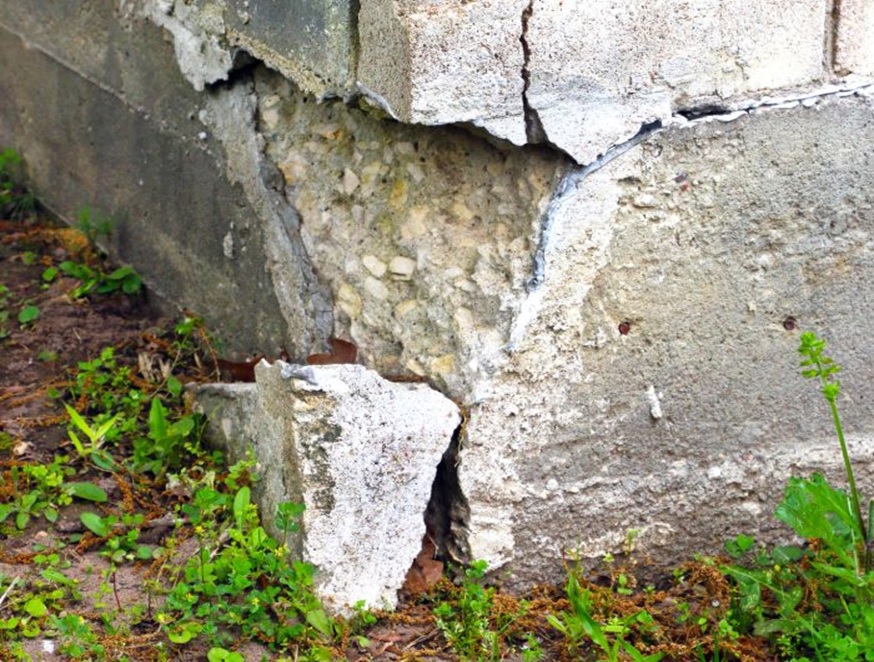

A foundation crack may seem like a simple surface flaw, but its shape, direction, and location may reveal what is happening below your home. Soil movement, moisture changes, settlement, and drainage conditions may stress different areas of the foundation, leaving visible clues.
Foundation Crack Repair becomes easier to understand when you first consider why the crack formed and whether the surrounding structure is still moving. A stable crack tells a different story from one that keeps widening, spreading, or appearing alongside other structural changes.
Learning to read those signs makes it easier to notice problems early and decide when foundation crack repair in Shreveport may be worth considering. Look beyond the crack itself and check nearby walls, floors, doors, windows, and exterior drainage for added context.
Start With the Direction of the Crack
The direction of a crack may reveal the kind of movement affecting the foundation.
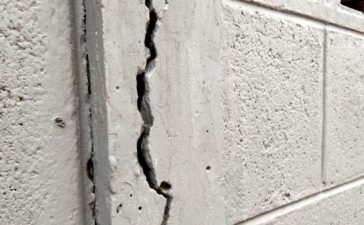
Vertical cracks sometimes develop as concrete shrinks during curing or as a structure settles slightly. These cracks may remain stable when narrow and unchanged over time.
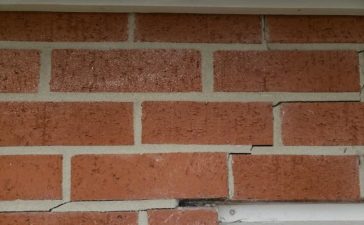
Horizontal cracks deserve closer attention because they may develop when soil pushes against a foundation wall. Stair-step cracks in brick or block may indicate uneven movement, while diagonal cracks near windows and doors may appear when one section of the structure shifts more than another.
Foundation Crack Repair should consider the pattern and surrounding symptoms rather than simply covering the visible opening. A small crack may connect to movement elsewhere in the structure.
Watch for Cracks That Change Over Time
A crack that remains the same size for years may be less concerning than one that changes over several weeks or months.
Monitoring is simple. Take dated photos, measure the width, and note whether the crack becomes longer. Look for new cracks nearby and pay attention after heavy rain, long dry periods, or major temperature changes.
Changes over time may reveal that movement beneath the structure remains active. If the crack keeps widening or returns after being patched, the visible damage may be only one sign of a larger issue.
Keeping notes also gives you useful information to share during an evaluation.
Soil and Moisture Conditions Matter
Foundations depend on the soil around and below them for support. When that soil changes, the foundation may respond.
Heavy rainfall may saturate the ground, while extended dry periods may cause certain soils to shrink. Repeated expansion and contraction may place uneven stress on the structure. Poor drainage, plumbing leaks, or erosion may create similar conditions.
Foundation Crack Repair may be more effective when drainage and moisture issues are considered alongside the crack. Walk around the exterior after storms and look for standing water, low areas, overflowing gutters, or downspouts that discharge water near the foundation.
These observations may explain why one area of the structure shows more movement than another.
Look for Other Signs Around the Home
A foundation crack rarely tells the entire story on its own. Changes elsewhere in the home may provide more context.
Watch for floors that slope, doors that start to stick, windows that become harder to open, or gaps where walls meet ceilings. Trim may separate from walls, and cracks may appear above doorways or windows.
One isolated symptom may have a simple cause. However, several symptoms appearing in the same area may suggest that movement is affecting more than one part of the structure.
Look for patterns across rooms and floors. A crack downstairs may matter more when it appears with uneven flooring or door problems upstairs.
Moisture Around a Crack Offers Another Clue
Cracks may also become paths for water.
Dampness, water stains, white mineral deposits, musty odors, peeling paint, or puddles near a foundation wall may show that moisture is reaching the opening. The crack may remain dry during normal weather and leak only after several days of rain.
Moisture does not always mean the crack caused the original movement. Instead, water may be exploiting an existing weak point.
Foundation Crack Repair may need to be considered alongside drainage or waterproofing work when moisture keeps returning. Looking at both issues together may provide a clearer picture of what is happening around the structure.
Know When Cosmetic Patching Is Not Enough
Filling or painting over a crack may improve the appearance, but it does not necessarily address the cause of the crack.
A repaired crack that opens again deserves another look. The same is true when new cracks appear nearby, wall movement becomes visible, or moisture keeps returning to the same area.
Before repeating a cosmetic repair, ask what caused the crack, whether the structure is still moving, and if outside drainage is contributing to the problem.
Understanding the cause first may prevent repeated surface repairs that fail to last.
What a Foundation Evaluation Should Consider
A useful foundation evaluation looks beyond the visible crack.
The crack direction, width, wall condition, floor elevation, drainage, soil moisture, previous repairs, and nearby structural symptoms may all matter. Photos and notes about when the crack appeared may also provide valuable context.
Before discussing repairs, gather any information you already have. Note weather conditions, changes in the crack, and whether other problems appeared around the same time.
The more complete the picture, the easier it becomes to understand what may be happening below the home and which repair approach fits the situation.
Conclusion
Foundation cracks may offer valuable clues about movement below a home. Their direction, width, location, and changes over time may reveal whether the issue appears stable or continues to develop.
Pay attention to nearby floors, doors, windows, walls, and drainage conditions rather than judging a single crack in isolation. Monitoring these changes early provides useful information and may also reduce the risk of structural problems spreading to additional areas.
If you have noticed foundation cracks or signs of movement, contact Shreveport Foundation Repair Specialists to discuss inspection and repair options for your property.