
Worn pavement does not always mean a complete rebuild is necessary. A parking lot or driveway may look faded, rough, or cracked even when the base beneath the surface remains stable. Knowing the difference may prevent unnecessary work.
Asphalt Resurfacing offers a practical way to renew worn pavement when the underlying structure is still usable. Instead of removing every layer, resurfacing focuses on preparing the existing pavement and installing a fresh asphalt surface over it.
Understanding how asphalt resurfacing in Rockwall works makes it easier to decide when this approach is appropriate and when more extensive pavement repairs may be needed.
What Asphalt Resurfacing Actually Involves
Resurfacing is more involved than filling cracks or patching potholes, but it is less extensive than rebuilding pavement from the base up.
The process usually begins with an inspection. The pavement is checked for cracks, depressions, potholes, drainage concerns, and signs of deeper failure. Damaged areas may need repair before new asphalt is installed.
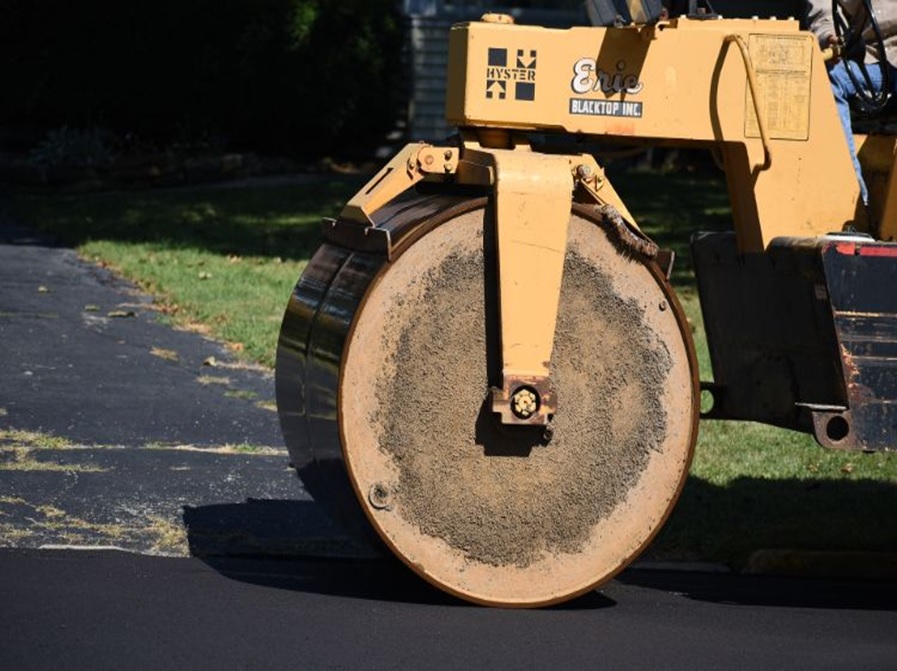
In some cases, part of the existing surface is milled to create a smoother base for the new layer. A bonding material may then be applied before fresh asphalt is placed and compacted.
Asphalt Resurfacing works best when the pavement underneath remains strong enough to support the new surface. If the base is unstable, covering it may only hide the problem temporarily.
Signs Pavement May Be Ready for Resurfacing
Surface wear is one of the main reasons property owners consider resurfacing.
Pavement that has faded from black to gray may be showing its age. Small cracks, rough texture, minor depressions, or scattered patches may also suggest that the upper layer is deteriorating.
Other signs include shallow cracking, light raveling, moderate traffic wear, uneven texture, and limited low spots.
The key question is whether the damage remains mostly at the surface. If the base below the pavement is stable and drainage is working properly, Asphalt Resurfacing may renew the surface without removing everything underneath.
When a New Surface May Not Be Enough
Resurfacing is not the right solution for every type of pavement damage.
Deep potholes, widespread alligator cracking, major depressions, and large sunken areas may indicate problems below the top layer. Adding new asphalt over an unstable surface may not correct the real cause.
Severe edge damage may also suggest that parts of the pavement have lost support. Drainage problems deserve attention too. Standing water that collects in low areas may weaken pavement and contribute to recurring damage.
Repeated cracks in the same locations can be another warning sign over time.
Before choosing resurfacing, understand why the pavement deteriorated. A fresh surface may improve appearance, but it should not cover deeper structural problems that remain active.
How Resurfacing Improves Pavement Performance
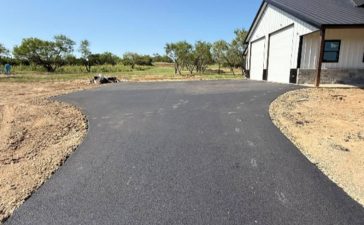
A new asphalt layer may cover worn areas, shallow cracks, and rough texture, giving the pavement a cleaner appearance. It may also create a more even surface for vehicles and pedestrians.
A properly finished surface may improve traction and make parking lots, driveways, and access roads more comfortable to use.
Asphalt Resurfacing may also extend pavement life when the base remains in good condition. Performance depends on traffic, weather, drainage, preparation, and maintenance.
Resurfacing should be viewed as part of a pavement management plan rather than as a solution to every type of damage.
Preparation Plays a Major Role
A resurfacing project is only as strong as the pavement underneath it.
Before new asphalt is installed, damaged sections should be identified and corrected. Potholes may need repair, unstable areas may require deeper work, and uneven sections may need milling or leveling.
The existing surface must also be clean enough for the new layer to bond properly. Edges, joints, and transition points deserve attention because poorly prepared connections may become weak spots.
Drainage should also be reviewed before resurfacing begins. If water collects on the pavement or along the edges, those conditions may continue affecting the new surface.
Correcting low spots or drainage concerns before resurfacing may reduce repeated wear. Careful preparation gives the new layer a better surface to bond to.
Resurfacing and Replacement Solve Different Problems
Resurfacing keeps much of the existing pavement structure in place. Replacement usually involves removing more of the old pavement and rebuilding damaged layers.
Resurfacing may make sense when the base remains stable, and most wear is near the surface. Replacement may be more appropriate when pavement has widespread structural failure, severe drainage problems, or deep deterioration.
The difference matters because a surface treatment cannot correct every problem below the pavement.
Rather than choosing based solely on cost or appearance, consider the condition of the entire paved area. The right approach should respond to the depth and cause of the damage.
Questions to Ask Before Starting a Resurfacing Project
Before moving forward, it is useful to understand the pavement’s condition.
Ask whether the base remains stable and if any areas need deeper repairs before resurfacing. Find out if milling will be required and how cracks, potholes, or damaged edges will be treated.
Before choosing Asphalt Resurfacing, consider whether the damage is mostly at the surface, whether any areas show base failure, and whether sections need to be removed first. Ask how transitions, edges, and drainage concerns will be handled before the new surface is installed.
Clear answers make it easier to understand what the project involves and what the new surface should accomplish.
Conclusion
Worn pavement does not always need to be removed from the ground up. When the base remains stable and damage is mostly near the surface, resurfacing may provide a practical way to restore smoothness, appearance, and everyday performance.
The condition below the asphalt matters just as much as the wear on top. Assessing cracks, drainage, depressions, and base stability before work begins can lead to a more appropriate paving decision.
If your pavement is showing signs of wear, contact Rockwall Paving Experts to discuss its condition and learn more about resurfacing and other paving options for your property.