
Older homes often show their age in subtle ways. A floor may slope, a door may begin to stick, or a thin crack may appear near a window. Some of these changes are part of an aging structure, while others may point to movement, moisture, or support issues below the home.
Foundation Repair may become necessary when these changes continue to grow, return after previous work, or begin affecting several parts of the home. In older Roanoke properties, decades of weather, soil movement, drainage changes, and settling can influence the foundation.
The key is knowing which changes are old and which may signal ongoing movement. When considering foundation repair in Roanoke, looking at the home as a whole can provide more useful clues than focusing on a single crack or uneven floor.
Old Cracks May Still Provide Useful Clues
Many older homes have cracks that have been visible for years. A crack that has stayed the same width and length may be less concerning than one that keeps changing.
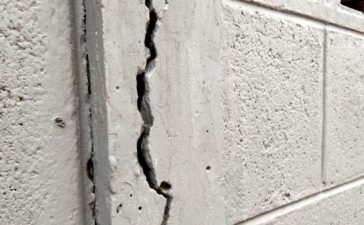
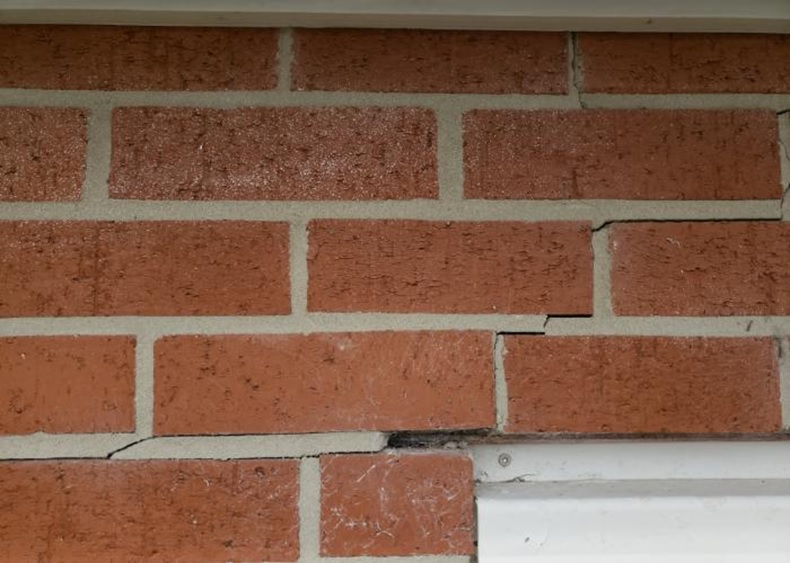
Pay attention to where the crack appears and how it looks. Stair-step cracks in brick or block, horizontal cracks across basement walls, and cracks extending from doors or windows may deserve closer attention.
Take dated photos and compare them every few months. If a crack widens, becomes longer, or returns after being patched, that change may be meaningful.
Foundation Repair may be worth considering when cracks appear active rather than stable. The pattern, location, and rate of change can clue you into what is happening around the structure.
Uneven Floors May Point to Changes Below
Older homes are not always level. Floors may settle over many years, especially in houses with wood framing, older support systems, or previous remodeling.
Certain floor changes deserve a closer look. A noticeable slope across a room, a low spot that worsens, or flooring that begins to separate may point to movement below.
Floor problems may come from joists, subflooring, moisture, or foundation movement. If uneven floors appear alongside wall cracks, sticking doors, or basement damage, the issue may extend beyond the finished flooring.
Doors and Windows May Reveal Shifting Openings
Doors and windows depend on openings that remain relatively square. When part of a structure moves, those openings may shift.
You may notice a door rubbing against its frame, a latch that no longer lines up, or a window that becomes harder to open. Gaps may also appear around trim or frames.
One sticking door does not automatically mean there is a foundation problem. Humidity, worn hinges, and aging materials can create similar symptoms.
Several doors or windows changing around the same time may tell a different story. Look at nearby walls and floors for cracks, gaps, or sloping. These signs can show whether the problem is isolated or connected to broader movement.
Basement Walls Can Show Pressure From Outside
Basement walls hold back the soil around a home. When that soil becomes saturated, expands, or shifts, it can place pressure against the wall.
Warning signs may include bowing, horizontal cracks, separation near corners, or walls that lean inward. Moisture may also enter through cracks or joints after heavy rain.
Foundation Repair may involve more than sealing a visible crack when wall movement is present. The source of the pressure and surrounding drainage should also be considered.
Compare basement walls and note areas that look different. Changes that become more noticeable after storms may provide clues about how outside conditions affect the structure.
Moisture Problems May Affect Older Foundations
Older properties may have drainage, grading, or waterproofing that no longer performs as well as it once did.
Look for damp walls, white mineral deposits, peeling coatings, musty odors, or water collecting near the wall-to-floor joint. Recurring moisture may reveal openings that were difficult to notice before.
Water can influence the soil around a foundation, especially when runoff collects near the structure. Downspouts that discharge too close to the home, low areas, or poor grading may all contribute.
Foundation Repair may be more effective when drainage and water conditions are evaluated alongside structural concerns. Fixing one visible symptom without understanding moisture conditions may leave part of the problem unresolved.
Previous Repairs Deserve a Second Look
Older homes often show signs of earlier repair work. You may see patched cracks, added supports, wall braces, or concrete that looks newer than nearby material.
These repairs can provide useful history. A crack that reopens beside an old patch, or a wall that keeps moving around a brace, may suggest the original issue is still active.
Previous repairs do not always mean a current problem exists. Some may have performed well for decades.
Focus on changes around repaired areas. Fresh cracking, new moisture, or shifting materials may deserve evaluation when they appear alongside other structural symptoms.
Look for Patterns Across the Whole House
A sloping floor becomes more meaningful when nearby doors stick. A basement crack may deserve more attention when an upstairs wall also develops a gap. Bowing walls with recurring moisture may point to structural and drainage concerns.
Foundation Repair is easier to evaluate when you consider several signs together.
Walk through the home periodically and note changes. Take photos, note when problems appear, and check after dry periods or heavy rain. These observations can make it easier to distinguish old imperfections from active movement.
Conclusion
Older Roanoke homes often have quirks that come with age, but some changes may point to continuing foundation movement. Cracks, uneven floors, sticking doors, bowing walls, and recurring moisture deserve attention when they grow or appear together.
Watching these signs over time can provide useful information before damage spreads. Careful observation also makes it easier to ask better questions and understand what type of repair may be appropriate.
If your older home is showing structural changes or recurring moisture, contact Roanoke Foundation Repair Specialists to discuss inspection and repair options for your property.