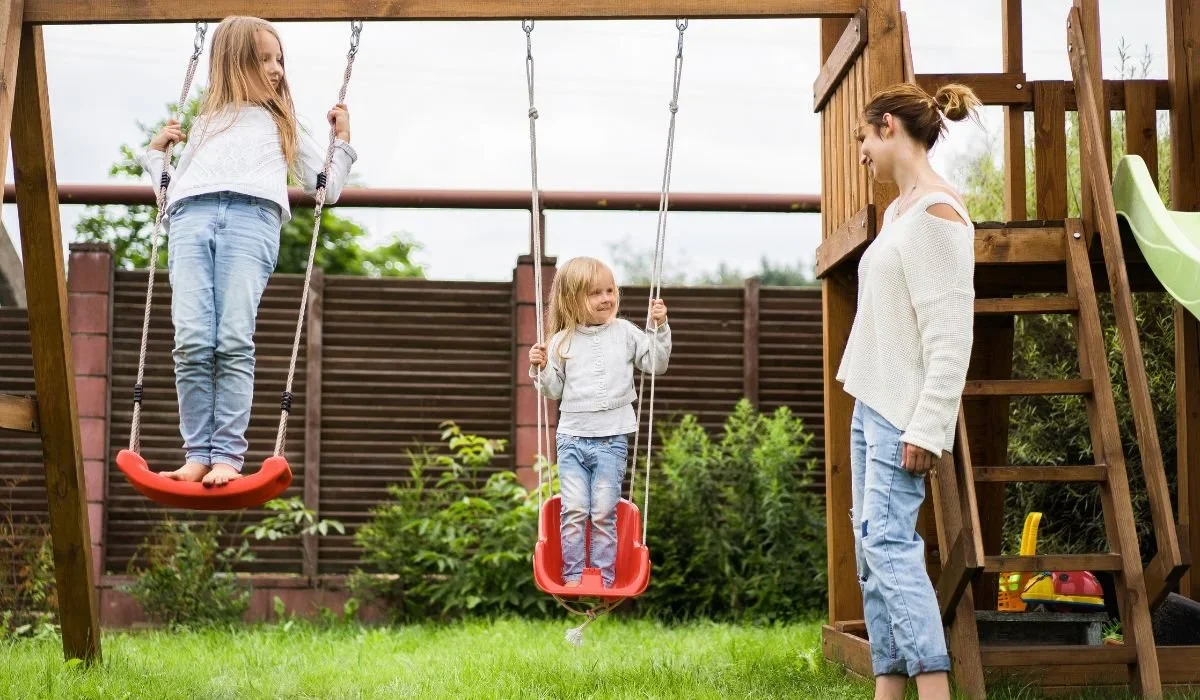

Parents often look for big solutions to keep their children active, but over time many have realised that small, thoughtful changes at home make a larger impact. A backyard does not need to be large or fancy. It only needs simple cues that encourage movement. These small elements, when added with purpose, help children build healthy routines without even noticing that they are exercising.
Most families discovered this naturally. Kids tend to drift toward the outdoors when something interesting catches their attention. Even a few basic items can turn an ordinary yard into a place where children climb, explore, and test their abilities. What matters is not the size of the space, but the way it invites curiosity.
In many households, the starting point was simply clearing a small area. Old plants were relocated, a storage box was shifted, or the garden tools were organised differently. These tiny efforts created a small open corner that children immediately claimed as their play spot. Once they had the space, they invented their own activities. Balancing on stones, hopping between patterns drawn with chalk, or creating imaginary worlds using whatever they could find became daily habits.
Over the years, parents also recognised how helpful it was to add even one structure that allowed climbing or hanging. Not every family wanted or needed a full playground setup. Some used repurposed wooden planks, some added a low bar for stretching, and others installed compact equipment. During one of the later edits to this article, we noticed many discussions online referencing monkey bars in small backyard layouts. These were mentioned casually by parents who simply wanted their children to move more without needing formal workouts. It was interesting to see how such a simple structure could become a natural part of daily outdoor play.
Children respond to these triggers in ways adults often overlook. For example, a horizontal bar encourages hanging, pulling, swinging, and stretching. These movements develop grip strength, arm power, and coordination. Even if a child spends only a few minutes on it each day, the long term benefits quietly accumulate. It becomes a small confidence booster. When they manage to hang a little longer or pull themselves a little higher, they carry that sense of achievement into other areas of life.
Another shift parents noticed was how children used the backyard for emotional regulation. A little fresh air and natural light often helped them decompress after school. Outdoor movement does not need to be intense to be helpful. Light climbing, running in circles, inventing games, or even listening to birds while sitting under a tree can recharge a child’s mood. The backyard, in this sense, becomes more than a play area. It becomes a small sanctuary where children process the day at their own pace.
There were also small safety changes that made a big difference. Soft landing areas, such as small mats or patches of grass, were added to reduce the fear of falling. Parents placed items at reachable heights so children felt comfortable exploring. Some families used recycled materials like old tires or wooden crates to build steps, tunnels, and mini obstacle paths. These were inexpensive, yet they opened up many play possibilities.
What surprised many was how naturally kids organised their time once the space felt inviting. Without parents telling them what to do, they alternated between quiet play and active movement. Some days they spent time pretending the backyard was a jungle. Other days they created competitions with imaginary scores. They hung from bars, jumped between stones, or tried balancing on uneven surfaces. These simple games strengthened muscles, improved balance, and increased body awareness.
Even during busy school terms, this kind of backyard environment helped children stay active. Instead of relying on structured sports or scheduled classes, the movement came from spontaneous play. This consistency matters. It builds stamina slowly, week after week, without pressure or expectation. It becomes a part of their identity rather than an activity they are told to do.
Families with siblings often noticed additional benefits. The backyard became a social zone where children learned to take turns, help each other, or create group challenges. These interactions improved cooperation and communication. Younger children learned from older ones, and older children developed leadership skills by guiding younger ones through small tasks.
Parents also found that these backyard elements encouraged independence. When children have access to an outdoor space that feels safe, they experiment freely. They learn how much force they need to climb, where to place their feet, and how to land safely. These small discoveries build self awareness and confidence. They also help children understand their physical limits and strengths, which is an important part of growing up.
Another positive outcome was a reduction in screen time. Not because parents banned devices, but because children naturally drifted outdoors. The moment they found something fun or challenging outside, the screens became less attractive. This shift happened quietly, without arguments or strict rules. The environment did the work.
As children grew, parents sometimes added small upgrades to keep the space interesting. They introduced new balancing paths, simple obstacles, or rearranged existing items to create variety. These changes were inexpensive and did not require major construction. Yet, they refreshed the play area and motivated children to explore new challenges.
Looking back, many families say it was the little things that made the biggest difference. Small adjustments created habits. Habits shaped routines. Routines influenced long term health. None of it required big renovations or expensive equipment. It only needed small, purposeful choices that encouraged natural play.
Children do not always need structured sports or organised workouts. Sometimes, all they need is one inviting corner in the backyard where exploration feels natural. A space that encourages climbing, hanging, imagining, and experimenting. These small experiences shape stronger bodies, more confident minds, and healthier habits that follow them into adulthood.